

Benefits of Hanging Cage Bowls for Pets
Table of Contents
- What Are Hanging Cage Bowls and How They Work
- Reduced Strain on Neck, Shoulders, and Joints
- How to Prevent Water Spills in Dog Crates
- Best Crate Bowls for Dogs: What to Look For
- Material Safety and Durability Standards
- Installation, Cleaning, and Maintenance Protocols
- Supporting Behavioral Wellness in Anxious Pets
- Conclusion
- Frequently Asked Questions
Last Updated: September 18, 2026
What Are Hanging Cage Bowls and How They Work
Hanging cage bowls are feeding accessories that attach directly to pet crates or kennels, suspending food and water at a comfortable height for your pet. They solve a fundamental problem: messy, spilled meals that create sanitation issues and stress for both pet and owner.
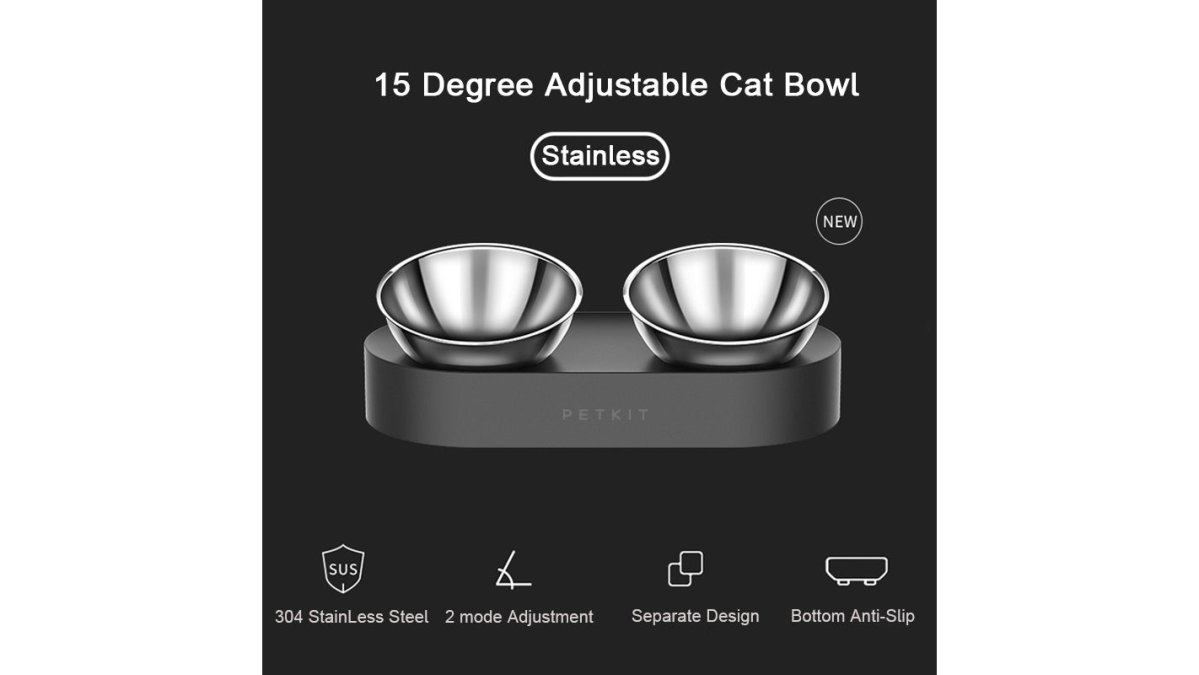
These bowls typically feature stainless steel construction with secure attachment mechanisms to prevent tipping and splashing. The elevated positioning encourages ergonomic eating posture, reducing strain on your pet's neck and joints. Most are removable for easy cleaning and refilling.
The market for pet feeding accessories reflects growing demand for these practical solutions. The pet food bowl market is valued at USD 4.08 billion in 2026 and is expected to grow at a compound annual growth rate of 5.6%, reaching USD 5.97 billion by the end of the forecast period, according to Coherent Market Insights market analysis. This growth reflects pet owners' shift toward investing in specialized feeding solutions that improve their pets' daily routines.

Reduced Strain on Neck, Shoulders, and Joints
When pets eat from floor-level bowls, they must bend their necks downward in an unnatural position. Over time, this repetitive strain accumulates, particularly in senior dogs or those with existing joint issues.
Hanging cage bowls position food at a height that allows your pet's neck to remain neutral during eating, reducing cervical strain and stress on the shoulders and front legs. For dogs with hip dysplasia or arthritis, this adjustment can meaningfully improve comfort during feeding times.
Industry guides emphasize that elevated feeding supports joint health and mobility for aging animals, according to Lola and Daisy Designer Pets wellness guide. Senior pets particularly benefit from this positioning because it minimizes the effort required to reach their meals. The adjustment is simple, but the cumulative impact on joint health over months and years is significant.
How to Prevent Water Spills in Dog Crates
Water spills are one of the most common frustrations of crate feeding. Understanding the mechanics of spillage helps you select and position the right solution.
Why Floor Bowls Fail
When a water bowl sits on a crate floor, three forces cause spillage: your pet's movement and weight shifts, drinking motion creates splashing, and accidental contact displaces the bowl. The result is saturated bedding, which creates conditions for mold growth, bacterial proliferation, and odor, and leaves your pet's paws and coat wet, increasing the risk of ear infections and skin irritation.
How Elevation Solves Spillage
Hanging cage bowls eliminate spillage by suspending the water bowl above the floor, typically 2-4 inches. At this height, movement no longer directly displaces the bowl, and your pet cannot walk through standing water.
For most dogs, the ideal height is at or slightly below shoulder height when standing naturally in the crate. This positioning prevents spills and encourages ergonomic eating posture that reduces joint strain.
Measuring the Correct Height for Your Dog
Unlike generic sizing guides, the correct bowl height is individual to your pet's anatomy. To measure:
- Have your dog stand naturally in the crate (or in a similar standing position)
- Measure the height from the ground to the top of your dog's shoulder blade (the bony prominence at the highest point of the shoulder)
- Position the bowl so its center is at or 1-2 inches below this measurement
For example, a medium-sized dog with a 20-inch shoulder height would have the bowl center positioned at approximately 18-20 inches from the crate floor.
If your hanging bowl system offers adjustable height, fine-tune the position over the first week and observe your pet's drinking posture.
Material and Design Features That Reduce Splashing
Design features that minimize spillage include: slightly recessed or lip-edged bowls to contain splashing, wider shallower bowls to reduce water depth, secure bolted or locking brackets to eliminate movement, and stainless steel construction to prevent flexing or seepage.
Behavioral Factors in Water Management
Dogs with longer ears (such as Spaniels or Hounds) are prone to dunking their ears in water bowls, which increases splashing. For these breeds, positioning the bowl slightly higher than the standard shoulder-height guideline can reduce splashing without compromising comfort.
Anxious or stressed pets often drink erratically, creating more splashing. A properly mounted hanging bowl combined with consistent crate feeding can reduce anxiety-driven drinking behavior over time.
Maintenance to Prevent Biofilm and Odor
Water can accumulate in bracket crevices or around mounting hardware, creating conditions for biofilm (a slimy bacterial film) to form, which reduces water quality and causes odor.
Outdoor Dog Kennel With Rotating Bowl →
To prevent biofilm: empty and refill the water bowl at least twice daily, clean the bracket mechanism weekly with a brush and hot water, dry thoroughly before refilling, and soak in a 1:3 vinegar-to-water solution if slime appears. This prevents buildup that turns a spill-prevention system into a source of contamination.
Best Crate Bowls for Dogs: What to Look For
Selecting the right crate bowl requires evaluating material and attachment security. Stainless steel is the gold standard because it resists corrosion, doesn't retain odors, and withstands repeated washing. Ceramic bowls can chip or crack inside crates, creating sharp edges that pose safety risks.
The bracket mechanism must be strong enough to prevent accidental displacement. Look for designs with locking mechanisms or bolted brackets rather than simple friction-fit attachments.
Material Safety and Durability Standards
Material safety is the foundation of responsible pet feeding. Materials in direct contact with food and water accumulate bacteria, absorb odors, and may leach chemicals that your pet ingests repeatedly over months and years.
Stainless Steel: The Gold Standard
Food-grade 304 stainless steel is the safest choice because it meets FDA standards for food contact surfaces and resists corrosion without chemical coatings. Unlike lower-grade stainless, 304 stainless prevents leaching even under acidic conditions and resists biofilm formation better than alternatives.
Verify that the manufacturer specifies 304 grade or higher. Avoid bowls labeled simply "stainless steel" without grade designation.
Ceramic and Glazing Risks
Ceramic bowls carry hidden safety concerns. Glazes can contain lead or cadmium, and the FDA does not require pre-market testing. Even food-grade ceramic can develop microscopic cracks during normal use, creating pockets where bacteria accumulate and survive standard cleaning.
For hanging cage applications, vibration and movement can cause ceramic bowls to chip or crack, creating sharp edges that injure gums or the digestive tract if swallowed.
Plastic Degradation and Microplastic Leaching
Plastic bowls degrade faster than commonly assumed, especially when exposed to hot water or repeated washing. Polycarbonate can leach bisphenol A (BPA) when exposed to heat or acidic foods. Even "BPA-free" plastics often substitute with similar compounds that exhibit similar endocrine-disrupting properties.
Repeated micro-scratches from kibble friction and washing accelerate degradation, increasing microplastic shedding over a pet's lifetime.
Practical Safety Checklist
When selecting a hanging cage bowl:
- Verify the bowl material is food-grade 304 stainless steel or higher (check the product specification sheet, not just the product name)
- If the bowl includes a plastic base or bracket, confirm it is food-safe ABS or polypropylene and does not contact food or water directly
- Inspect the bowl weekly for cracks, corrosion, or discoloration, these indicate material breakdown
- Replace bowls every 2-3 years or sooner if visible wear appears, even if the bowl still functions
- Avoid bowls with non-removable plastic liners or coatings, which cannot be fully sanitized
The initial cost difference between a high-quality stainless steel bowl and a cheaper alternative is offset by durability and the elimination of replacement waste.
Installation, Cleaning, and Maintenance Protocols
Most hanging cage bowls attach via brackets bolted to the crate's metal frame. For wire crates, bolts should pass completely through the wire and be fastened on both sides. For plastic or wooden crates, pre-drill holes to prevent cracking.
Supporting Behavioral Wellness in Anxious Pets
Anxious pets benefit from the containment and routine that crate feeding provides. Hanging bowls enhance this benefit by eliminating the unpredictability of spills and displaced food, which can trigger stress in sensitive animals.
Conclusion
Hanging cage bowls address multiple challenges that traditional floor bowls cannot solve: they reduce strain on joints, prevent water damage to crate bedding, simplify cleaning, and create safer, more hygienic feeding environments. For busy professionals managing multiple pets or owners of senior dogs with mobility concerns, these accessories transform daily feeding routines from a source of frustration into a simple, reliable process.
Frequently Asked Questions
What are the main benefits of hanging cage bowls for pets?
Hanging cage bowls offer several practical advantages. They reduce spills and water splashing by keeping bowls elevated and stable within the crate. They encourage natural eating posture, which supports better digestion and joint alignment. The elevated position reduces strain on your pet's neck and shoulders, particularly beneficial for senior dogs or those with mobility issues. Hanging bowls also keep food and water off the crate floor, improving sanitation and reducing mess.
Do hanging cage bowls actually prevent bloat in dogs?
While hanging cage bowls are often marketed as bloat prevention, research indicates that elevating a pet's bowl does not actually prevent gastric torsion (bloat). However, elevated feeding does support better posture and may aid digestion by allowing food to move more naturally through the digestive system. If you have concerns about bloat risk, discuss prevention strategies with your veterinarian rather than relying solely on bowl elevation.
How do I choose the best crate bowl for my dog?
Look for bowls made from food-grade stainless steel, which is durable, non-toxic, and easy to clean. Ensure the bowl size matches your pet's eating needs. Choose bowls with non-slip bases or secure bracket attachments to prevent tipping. For fast eaters, consider slow-feeder designs. Verify that the attachment mechanism is compatible with your crate type and can be secured without sharp edges that might harm your pet.
Can hanging bowls help with separation anxiety in pets?
Hanging bowls alone don't treat separation anxiety, but they can be part of a supportive routine. Elevated, stable feeding stations create a consistent, secure eating environment that some anxious pets find calming. When combined with crate training and positive associations, a well-designed feeding setup may reduce stress during crating. For pets with significant anxiety, consult your veterinarian or a certified animal behaviorist for comprehensive behavior modification strategies.
